How AI helps build this site
swedishmodel.party covers a century of Swedish politics. To build it, AI agents search for sources, pull out facts, check citations, link pages, and create images and infographics. Here is the process in plain language.
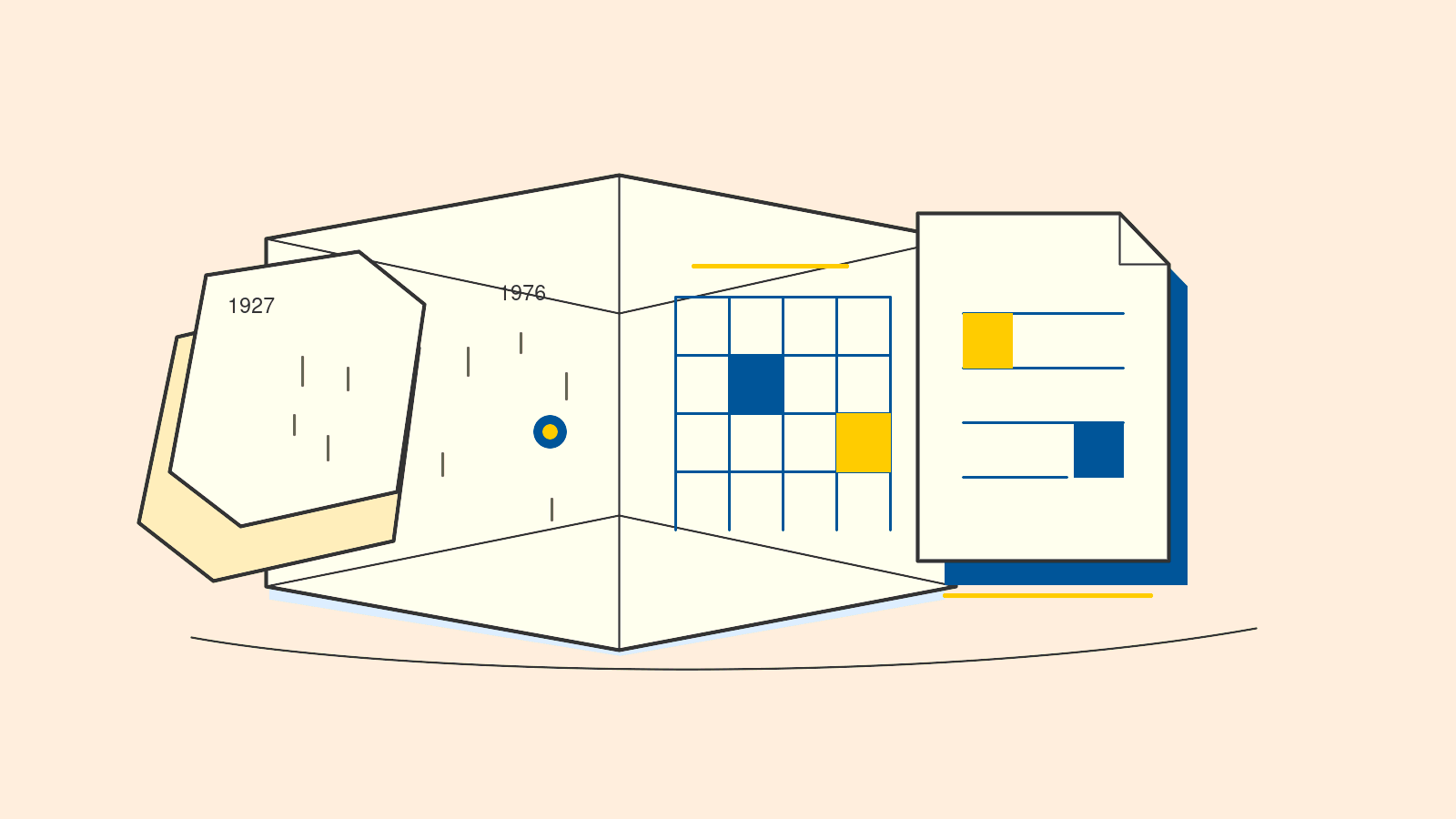

From sources to a finished page
Search and archive
When an article, PDF, or transcript comes in, the agent searches for context with Exa.ai. It saves the queries, pages, and quotes it used. Then it builds an archive page where each source, point, and quote stays together.
On this site /research/2025.html
In your work The same workflow can support client briefs, market reviews, and sales research. The team can quickly see where each conclusion came from.
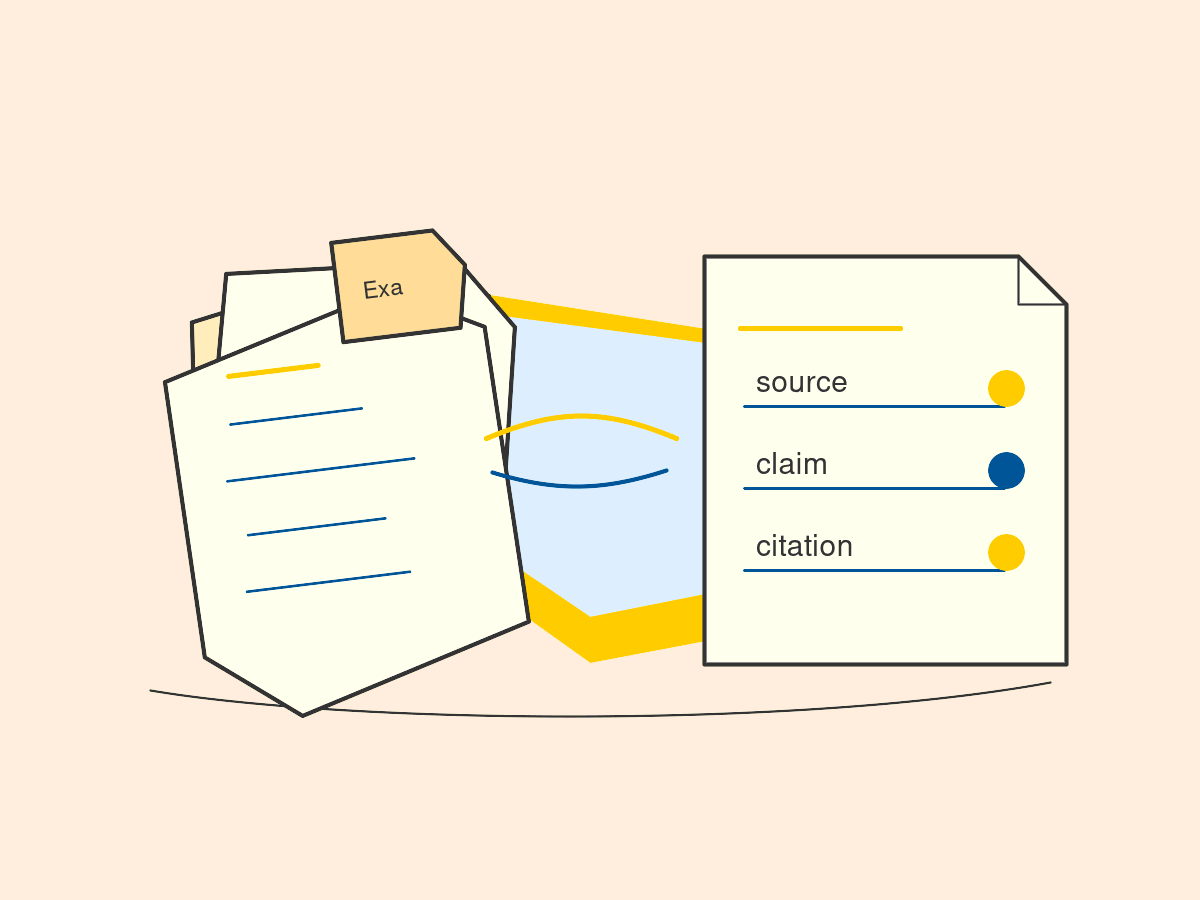
Fact-check the year
Before a year page is published, the agent reviews the facts. It raises the most important points, adds citations, marks uncertainty, and records gaps. The result is a page that is easier to trust.
On this site /en/year/2025/
In your work The same gate works for reports, client materials, and public pages: facts, links, uncertainty, and open questions are kept in one place.
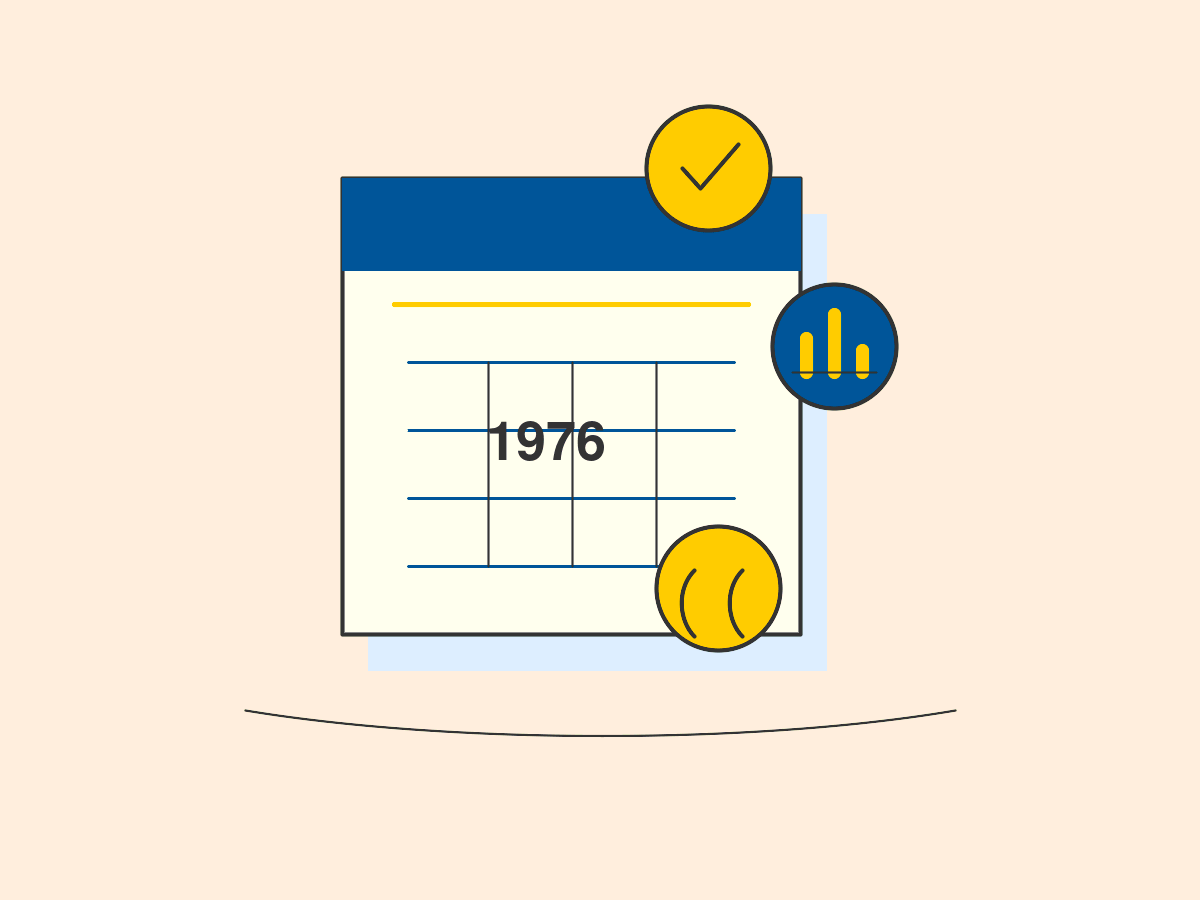
Linked pages
Each year includes people, parties, governments, and events. The agent finds them in the checked facts and creates separate pages with backlinks. One year becomes a map of connected material.
On this site /en/party/socialdemokraterna/
In your work A contract, brief, or case file can become pages for people, products, projects, and decisions. The links are kept automatically.
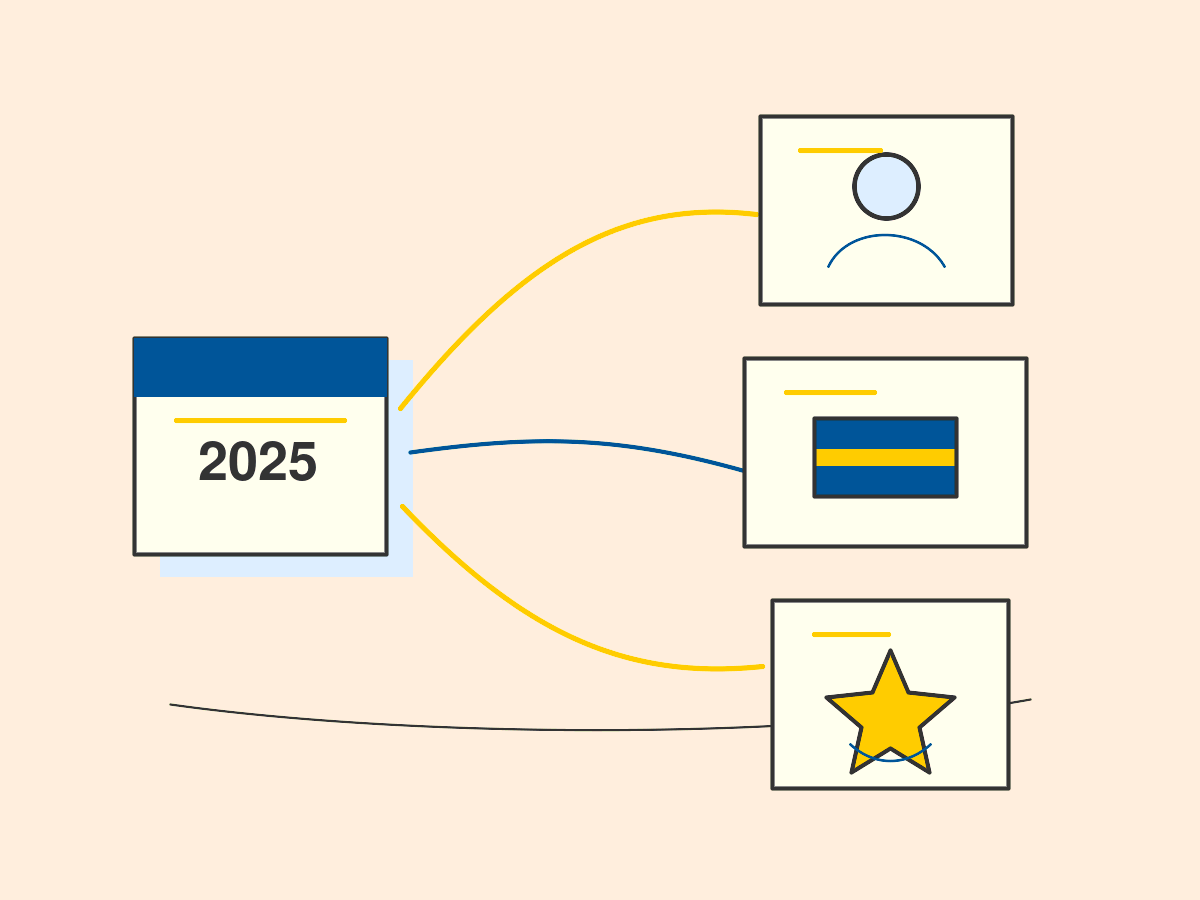
Infographic and report
For each year, the agent creates an infographic to make the main points easier to scan. It also publishes a report showing the questions, sources, and facts that reached the site.
On this site /en/year/2017/#year-visual-heading
In your work Every external piece can carry a clear work trail: sources, editorial choices, and the facts that made it to publication.
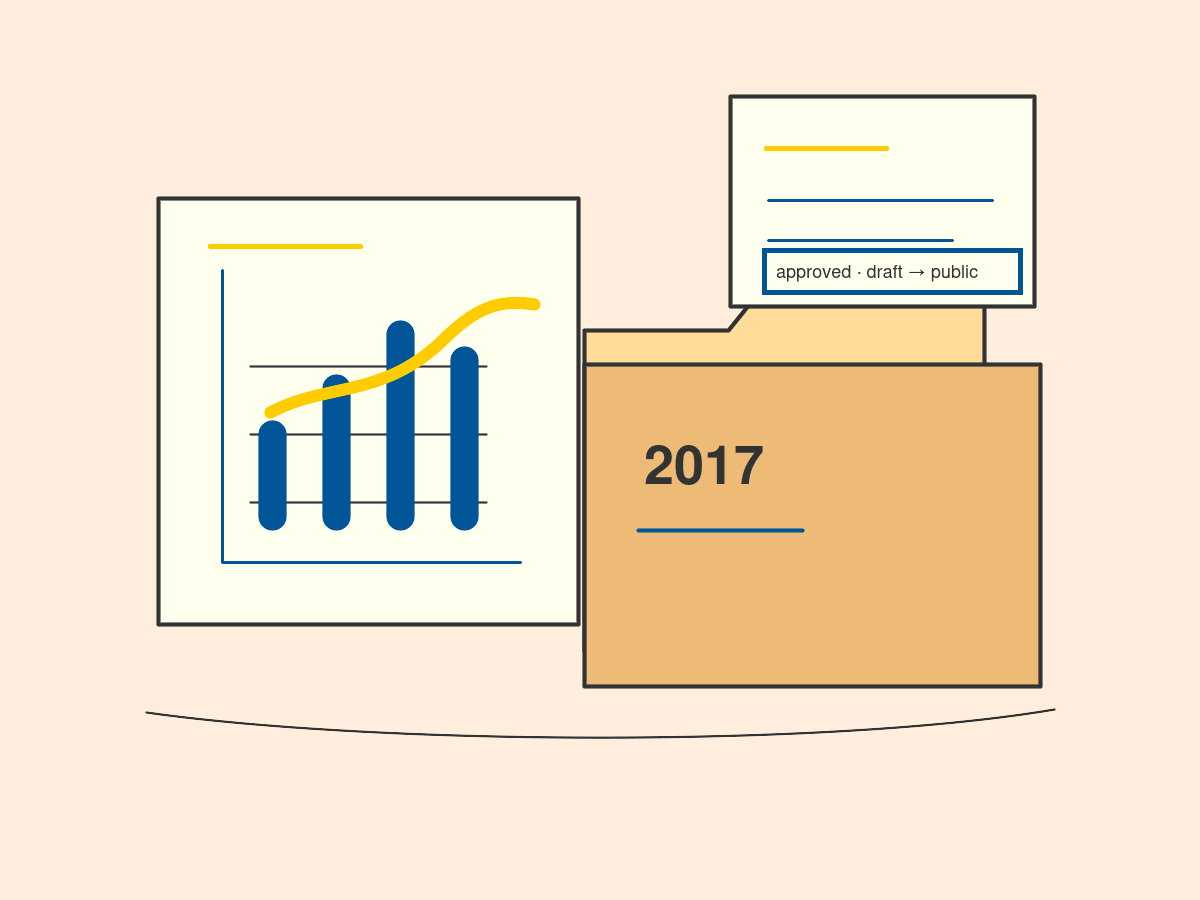
A separate automated check reviews page structure, citations, links, and the boundary between internal and public material. It follows fixed rules and does not use a language model.
The same logic fits other work
Here, the agents help with historical material. In a business, they can read documents, connect facts, check sources, and prepare material for clients, teams, or public pages.
Legal and compliance
For contracts, regulations, and case law, the agent can read documents, pull quotes, and show where each conclusion came from. The lawyer gets an answer that is easy to check.
E-commerce and retail
A product catalog can work as a linked set of pages: descriptions, translations, attributes, product relationships, and updates after shipments. The agent helps keep it tidy.
Content agencies and editorial desks
Editorial teams and content agencies can use the same process for long-form articles and analysis: gather sources, check facts, shape the structure, create images, and leave a clear work trail.
Research and policy desks
For research and policy teams, this fits briefings, decision memos, and monitoring changes. Sources, review, structure, and publishing stay in one process.
Need a similar process? Let's talk: